
What is Hidradenitis Suppurativa?
Hidradenitis Suppurativa, often called HS, is a chronic, complex inflammatory illness that can cause extremely painful recurring boil-like abscesses, tunnels, drainage, and scarring.

Have you had two or more boil-like abscesses in the last six months?
This quick check is not a diagnosis, but it can help you decide whether recurring symptoms may be worth discussing with a dermatologist.
If you said yes, you may have HS.
We’re glad you’re here. HS Connect can help you learn what HS is, what symptoms to look for, and how to start seeking care.
You’re still welcome here.
HS can look different from person to person. If you have painful bumps, recurring swelling, drainage, scarring, or symptoms that keep coming back, learning more may still help.

HS quick facts
HS can be confusing, especially because it is often mistaken for boils, acne, ingrown hairs, or infection. These basics matter.
Chronic
HS is a long-term inflammatory condition, not a one-time skin problem.
Inflammatory
HS involves inflammation under the skin and around hair follicles.
Not your fault
HS is not caused by poor hygiene and is not contagious.
Life-impacting
HS can affect physical, mental, social, emotional, and financial well-being.
What HS can look and feel like
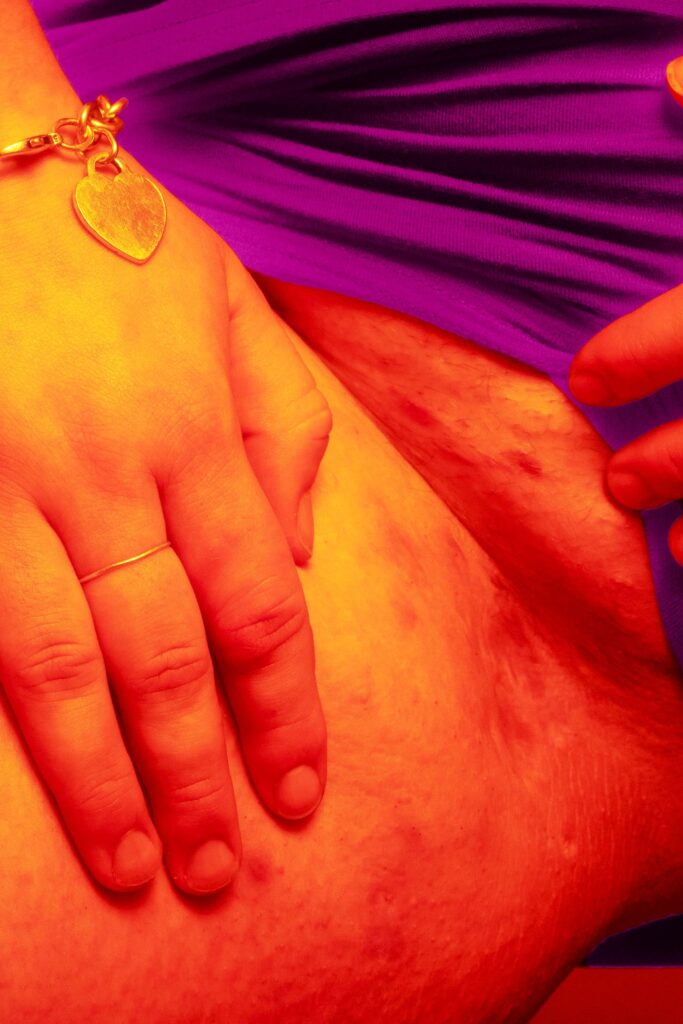
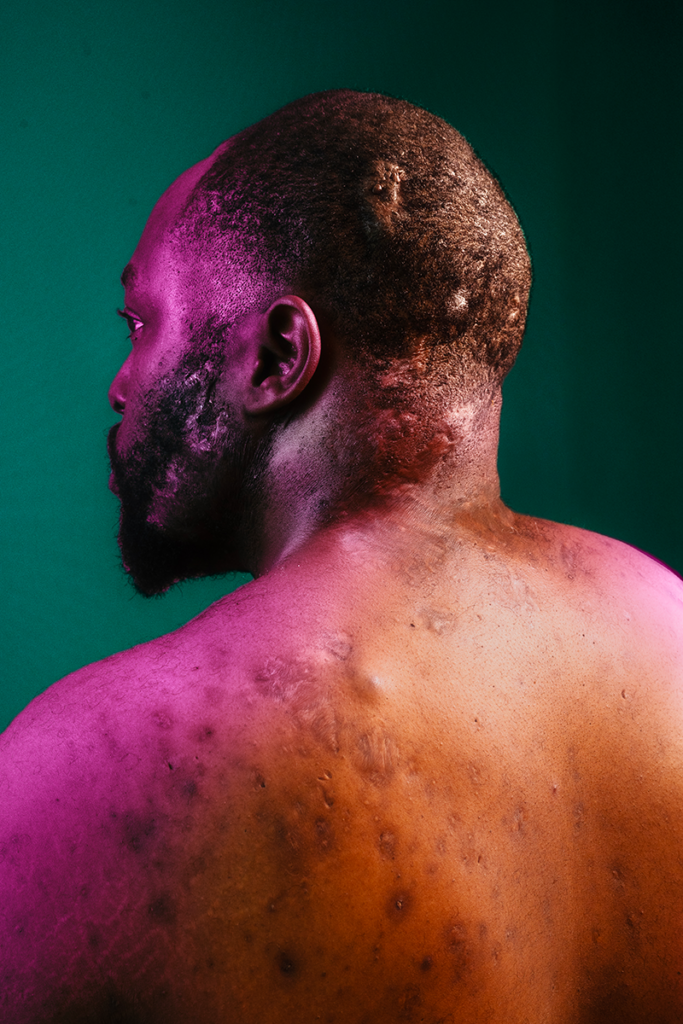
HS may start as pustules, painful bumps, or boil-like abscesses. Lesions can occur anywhere hair follicles are found, except the palms of the hands, soles of the feet, and darker part of the lips.
Painful abscesses
Recurring boil-like abscesses can be extremely painful and may come back in the same areas.
Drainage
Some HS lesions open and drain, which can impact clothing, comfort, odor, and daily activities.
Tunnels and scarring
Over time, HS can cause sinus tracts, tunnels under the skin, and significant scarring.
Flares
Symptoms may worsen during flares, which can be triggered by different factors for different people.
Multiple body areas
HS can appear in areas where skin rubs together, but it can also affect other hair-bearing areas.
Whole-life impact
HS can affect movement, sleep, relationships, work, school, and mental health.
Hurley stages of HS
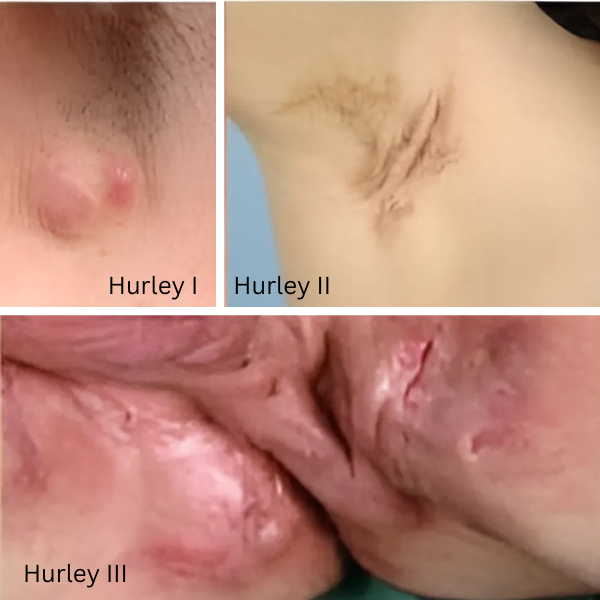
The Hurley Staging System is one way providers describe HS severity. Different body areas can show different stages, and some people may experience severe symptoms even before tunnel formation.
Stage 1
Isolated abscesses, usually without significant scarring. Surface discoloration may occur.
Stage 2
Recurrent abscesses with significant scarring and sinus tract formation.
Stage 3
Extensive scarring with multiple interconnected abscesses and sinus tracts.

Understanding HS
HS is complex. The more you understand what HS is, what it is not, and what treatment options exist, the easier it can be to advocate for care.
What causes HS?
The exact cause of HS remains unknown. HS is thought to involve follicular occlusion and immune system inflammation under the skin.
Read MoreWhat can trigger HS?
Triggers are different for each person. Common triggers discussed in the community include clothing, weather, food, exercise, friction, stress, and mechanical stress.
Read About TriggersTreatment options
HS treatment is not one-size-fits-all. Options may include medications, biologics, procedures, surgery, wound care, and supportive lifestyle tools.
Explore TreatmentsHS is not your fault.
HS is a chronic inflammatory condition. It is not caused by poor hygiene, and it is not contagious. You deserve care, answers, and support without shame.
What Your Doctor Doesn’t Have Time to Tell You
Short, patient-friendly videos that explain HS in plain language. Watch the videos individually and explore the topics most helpful to you.
What to explore next
Whether you are newly diagnosed, searching for answers, or trying to find better care, these resources can help.
Find a dermatologist
Search for dermatologists who treat HS and better understand the condition.
Find a DermatologistExplore clinical trials
Learn about HS clinical trial opportunities and questions to ask before enrolling.
Clinical TrialsJoin support
Connect with others who understand life with HS through support groups and community resources.
Support Groups