
Wound Care for Hidradenitis Suppurativa
Wound care is a major part of living with HS. From draining wounds and painful bandage changes to hard-to-cover areas, we’re here to help you find practical solutions that work for your skin and your everyday life.
What do you need help with today?
You don’t need to figure everything out at once. Choose the wound care topic that best fits what you’re dealing with today.
Understanding HS wound care
Hidradenitis suppurativa (HS) is a chronic inflammatory condition that can cause painful nodules, abscesses, drainage, tunnels, and scarring. Wound care can help manage drainage, friction, and discomfort, but it does not replace medical treatment for the underlying inflammation.
Moisture balance matters
You don’t want a wound too wet or too dry. Choose dressings that absorb drainage without allowing fluid to sit against the surrounding skin for long periods.
Wounds don’t need to be left uncovered to “breathe.” Appropriate dressings can help maintain a healthy healing environment.
Comfort and practicality matter, too
The best dressing isn’t necessarily the most expensive. It needs to work for your drainage, body location, skin sensitivity, and budget.
Choose supplies you can comfortably use and replace when needed.
Wound care vocabulary
Exudate
The medical term for wound drainage.
Contact layer
A layer between your wound and the outer absorbent dressing that can help prevent sticking.
Occlusive
A covering that limits airflow. This can describe a dressing or clothing.
Wound origami
Shaping or folding dressings to fit difficult areas, and changing tape placement to avoid irritating the same skin repeatedly.
What do I do with a hole or draining tunnel?
An opening can develop from an active HS lesion, after an abscess drains, or following a procedure. The appropriate wound care depends on what caused the opening and how much it’s draining.
Active HS holes or draining tunnels
Focus on absorbing drainage and protecting the surrounding skin. ABD pads and silicone dressings may be helpful, especially when frequent changes are needed.
Some openings may not close until the underlying HS inflammation is controlled.
After incision & drainage (I&D)
Routine packing is generally not necessary unless your treating clinician specifically instructs otherwise. Packing can be painful and difficult to manage.
Focus on protecting the wound, balancing moisture, and absorbing drainage.
After deroofing or excision
Surgical wounds may need a different dressing plan. Follow your surgeon’s instructions for cleansing, dressings, packing if prescribed, and dressing-change frequency.
Closed, painful nodules or abscesses
The guide discusses cool compresses for closed painful lesions and warm compresses for lesions nearing drainage. Avoid extreme temperatures.
Do not squeeze or press lesions to force drainage. Discuss recurrent lesions with your dermatologist.
Choose a bandage by drainage level
The amount of drainage is one of the most important factors when choosing a dressing. Your skin sensitivity and the location of the wound also matter.
| Drainage | Options to consider | What to know |
|---|---|---|
| Little or none | Nonstick contact layer or silicone-bordered foam | Provides cushioning and protection without needing a highly absorbent dressing. |
| Light to moderate | Silicone-bordered foam | Soft cushioning and absorption. Add a contact layer if the dressing sticks. |
| Moderate to heavy | Absorbent foam, alginate, hydrofiber, or ABD pads | Some dressings need an outer cover. Protect surrounding skin from prolonged moisture. |
| Heavy or frequent changes | Large ABD pads or superabsorbent dressings | Consider no-tape methods to reduce repeated adhesive removal. |
| Adhesive sensitivity | Silicone tape, netting, garments, or tucked pads | Keep adhesives away from inflamed areas when possible. |
Make dressing changes less painful
If a dressing sticks
- Don’t rip off a stuck dressing.
- Moisten it with saline to help loosen it gently.
- Be patient; it may take several applications.
- Consider a nonadherent contact layer for future changes.
If tape irritates your skin
- Test new adhesive on healthy skin first.
- Place tape away from inflamed areas when possible.
- Change tape placement to protect tender skin.
- Try silicone tape or a no-tape method.
- Stop using products that cause rash or blistering.
Understanding different types of dressings
Silicone-bordered foam
Provides cushioning and absorption with an adhesive border that may be gentler on skin. Useful for many light-to-moderately draining HS wounds.
Some products handle heavier drainage. Absorption and wear time vary by product.
ABD pads
Large absorbent pads that work well for draining wounds or covering broader areas. They can be secured with tape, netting, or suitable clothing.
Superabsorbent dressings
Designed for wounds producing larger amounts of fluid. Some are bulkier and harder to fit into skin folds.
Alginate and hydrofiber
Absorb wound fluid and often form a gel. They generally need a secondary dressing. Use specialty or silver-containing versions with clinician guidance.
Nonwoven gauze
A smaller, less bulky option that can be layered for additional absorption. A nonstick contact layer may be helpful beneath it.
Nonadherent contact layers
Products such as Adaptic can sit between the wound and the outer absorbent pad to reduce sticking while allowing drainage to pass through.
Transparent film
Can help secure certain dressings, but does not absorb drainage. Removal can irritate sensitive skin.
Hydrocolloid blister bandages
Generally not recommended for draining HS wounds because they may trap excess moisture and have limited absorption.
Finding tape that’s kinder to your skin
Silicone tape
- Gentler on sensitive or fragile skin
- Often less painful to remove
- Helpful for frequent changes
- Typically more expensive
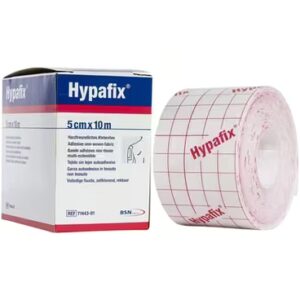
Hypafix / Medipore
- Flexible fabric-style tape
- Available in cut-to-size rolls
- Useful for larger dressings
- Stronger adhesive may cause irritation
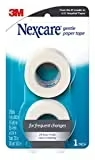
Paper tape
- Affordable and easy to find
- Lightweight and easy to tear
- Useful for smaller dressings
- May loosen with sweat or movement
No-tape options
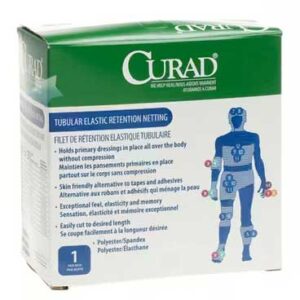
- Soft tubular netting
- Suitable clothing or supportive garments
- Tucked absorbent pads
- HS-specific dressing garments
Bandaging hard-to-cover areas
Armpits and skin folds
Try soft absorbent pads shaped or folded to fit the area. Use as little adhesive as possible, and place it away from inflamed skin.
Barrier products on surrounding skin may help protect against drainage.
Groin and inner thighs
Sweat and movement can loosen dressings. Flexible silicone dressings or nonadhesive pads held by suitable underwear may help.
Avoid adhesive on mucosal tissue or directly over active lesions.
Under breasts
Larger ABD pads may cover the area more comfortably than several smaller bandages. Supportive garments or soft netting may help hold them in place.
Abdomen and larger areas
Consider larger absorbent pads and gentle securement methods. Check for moisture-related irritation and change wet dressings promptly.
Keeping wounds and surrounding skin comfortable
Cleansing and protecting the skin around a wound can help reduce irritation from drainage. Not every cleanser or ointment is appropriate for every person or every open wound.
Cleansing options
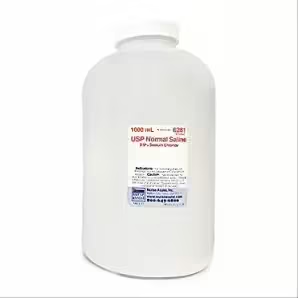
Saline
A gentle option for cleaning or irrigating open areas, including helping loosen dressings that have stuck.
CLn BodyWash
A cleansing product featured in the HS Connect guide and discussed within the patient community.
Follow the product instructions and avoid using cleansers inside deep wounds unless directed.
Chlorhexidine 4% (Hibiclens)
An antiseptic cleanser that can be drying. Avoid eyes, ears, mucous membranes, and internal genital areas.
Follow product labeling and clinician guidance; do not routinely apply to deep open wounds.
Zinc pyrithione and benzoyl peroxide
Zinc pyrithione is discussed in the guide as an antimicrobial cleansing ingredient. Benzoyl peroxide may cause excessive drying or irritation and is not recommended in the guide.
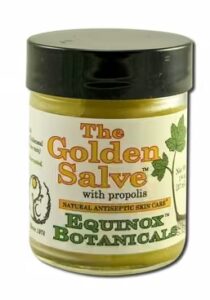
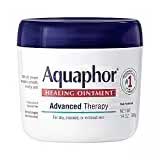
Salves, ointments and skin barriers
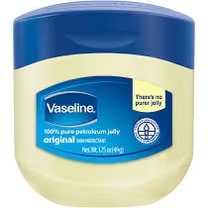
Petrolatum (Vaseline)
Helps protect irritated skin and reduce friction or sticking. Some wound care plans also use petrolatum on appropriate dressings.
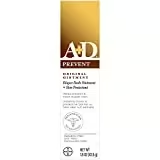
Zinc oxide / diaper cream
Helps protect surrounding skin from moisture and drainage. Particularly useful when nearby skin becomes irritated or overly moist.
Medical-grade honey
Used in some wound care products. It may increase moisture or drainage and isn’t necessary for every HS wound. Discuss suitability with your clinician.
Topical antibiotic ointments
Products such as Neosporin are generally unnecessary unless recommended by a healthcare professional and may cause contact dermatitis.
When should you seek medical attention?
HS can cause pain, drainage, and inflammation, but new or rapidly worsening symptoms should not automatically be assumed to be a normal flare.
Changes in the skin or wound
- Rapidly spreading redness
- New swelling or warmth
- Pain much worse than your usual flare
- Dark, gray, or black-looking tissue
- A wound that is enlarging or changing unexpectedly
- New red streaking or concerning skin changes
Drainage or whole-body symptoms
- Sudden major increase in drainage
- Strongly foul-smelling or unusual drainage
- Fever or chills
- Feeling unusually ill or weak
- Rapidly worsening symptoms
Understanding raised HS scars
Hypertrophic scars are thick, raised areas of scar tissue that stay within the boundaries of the original wound. They may feel firm, itchy, painful, or uncomfortable.
Manage ongoing inflammation
Controlling underlying HS inflammation is important to reduce additional damage and scarring.
Silicone scar products
Silicone sheets and gels may help certain raised scars, especially newer scars on fully healed skin.
Persistent or painful scars
A dermatologist or plastic surgeon can discuss treatment options for older, extensive, painful, or bothersome scars.
Use caution with home treatments
Avoid applying scar treatments, steroids, or irritating ingredients directly to open wounds unless your clinician recommends them.
What about surgery for HS?
Surgery for HS focuses on removing affected tissue to reduce recurring lesions, tunnels, drainage, and pain. Options may include deroofing or excision, depending on the extent and location of the disease.
Incision and drainage (I&D) may provide short-term relief for an acutely painful abscess, but it is not recommended as a definitive long-term HS treatment because the underlying disease remains.
Managing wound care away from home
Whether you’re working, traveling, or attending school, having supplies ready can make unexpected drainage and dressing changes easier to manage.
Build a small wound care kit
- Extra absorbent dressings
- Your preferred tape or securement option
- Saline or appropriate cleansing supplies
- Hand sanitizer for use before handling supplies
- A clean bag for carrying used supplies to a trash bin
- Spare clothing if drainage is unpredictable
Plan for changes during the day
- Choose clothing that reduces friction.
- Carry more than one spare dressing.
- Change saturated dressings promptly.
- Use a clean, private location when possible.
- Keep your usual wound care instructions accessible.
Real talk with a wound care expert
Katie Scherling is an Advanced Registered Nurse Practitioner and Certified Wound Care Advanced Practice Provider. She is also certified in Hyperbaric Medicine.
Katie works in outpatient wound care and has nearly ten years of experience treating wounds.
Watch as she shares practical guidance and answers questions about navigating wound care with HS.
Download our wound care guides
Save these resources so you can reference practical wound care information whenever you need it.
HS Wound Care Guide
Our comprehensive guide covers dressing options, drainage, tunnels, difficult locations, skin protection, and more.
Download Wound Care Guide ↗Wound Care Workshop Guide
Download the companion guide from our Empower HS wound care workshop for additional practical information.
Download Workshop PDF ↗Wound Care Workshop
Practical wound care guidance from people who understand HS.
Watch our Empower HS Wound Care Workshop for expert tips, real-life guidance, and information about wounds, drainage, dressings, and daily care.
Download Workshop Guide ↗Explore wound care products
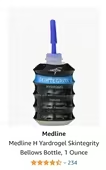
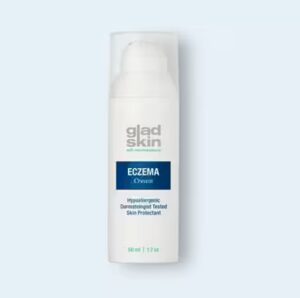
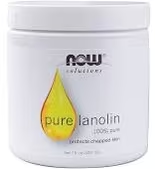
Browse dressings, tapes, cleansing products, and other wound care supplies in the HS Connect product directory.
Product information is shared for educational purposes. Everyone’s HS and skin sensitivity are different. Always check ingredients, instructions, and suitability for your wounds.
Wound Care & Anti-Inflammatory

Bandages & Tape

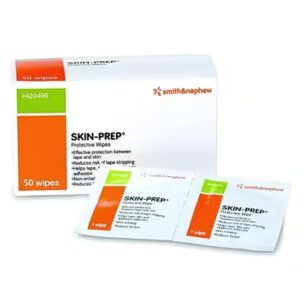

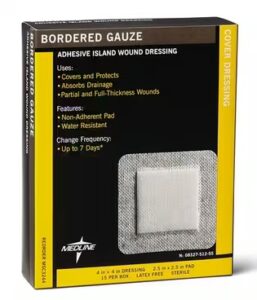
As an Amazon Associate, HS Connect earns commission from qualifying purchases.
Wound care shouldn’t be something you navigate alone.
Explore our resources, learn from wound care professionals, and find practical tools to help make everyday life with HS more manageable.
Back to Wound Care Topics ↑