
May is Mental Health Awareness Month, making it an important time to talk about the emotional realities of living with chronic conditions like hidradenitis suppurativa (HS).
HS is often discussed in terms of physical symptoms—but the emotional impact, stigma, and isolation can be just as significant. For some individuals, these challenges may overlap with already vulnerable situations, making it even harder to seek care, speak up, or feel supported.
What is HS Stigma, and How It Exacerbates Vulnerability
HS is a chronic inflammatory skin condition that causes painful nodules, abscesses, and scarring in sensitive areas. Because of its location, discharge, odors, and visibility (or sometimes intentional concealment), many people with HS suffer shame, isolation, and silence.
- Internalized stigma: Feeling unclean, ashamed, or “less than” because of symptoms.
- Social stigma: Fear of judgment from others — friends, family, partners, even medical providers.
- Medical stigma: Dismissal or misunderstanding in clinical settings, where patients are told symptoms are “cosmetic,” “lifestyle-issue,” or “not severe enough.”
For someone who is also experiencing domestic violence — whether physical, emotional, sexual, or psychological — these layers of stigma can intensify vulnerability. They can reinforce isolation, make reaching out for help feel dangerous, or silence cries for support because of fear of judgment or not being believed.
How Domestic Violence & HS Can Intersect
Here are ways domestic violence and HS can interact, creating unique challenges:
- Physical abuse may worsen HS symptoms. Trauma, stress, and even direct physical harm (e.g., bruising or skin damage) can contribute to flare-ups. HS inflammation is often worsened by stress.
- Control & medical neglect. Abusers may limit access to proper medical care, interfere with hygiene, or shame someone for needing frequent doctor visits—making HS harder to manage.
- Isolation & self-blame. Someone experiencing domestic violence may already feel trapped and shameful. HS can compound this, especially when visible symptoms trigger more shame or self-blame.
- Mental health strain. HS is strongly linked to depression, anxiety, and decreased quality of life. Domestic violence adds layers of trauma, fear, and sometimes PTSD, making emotional well-being even more fragile.
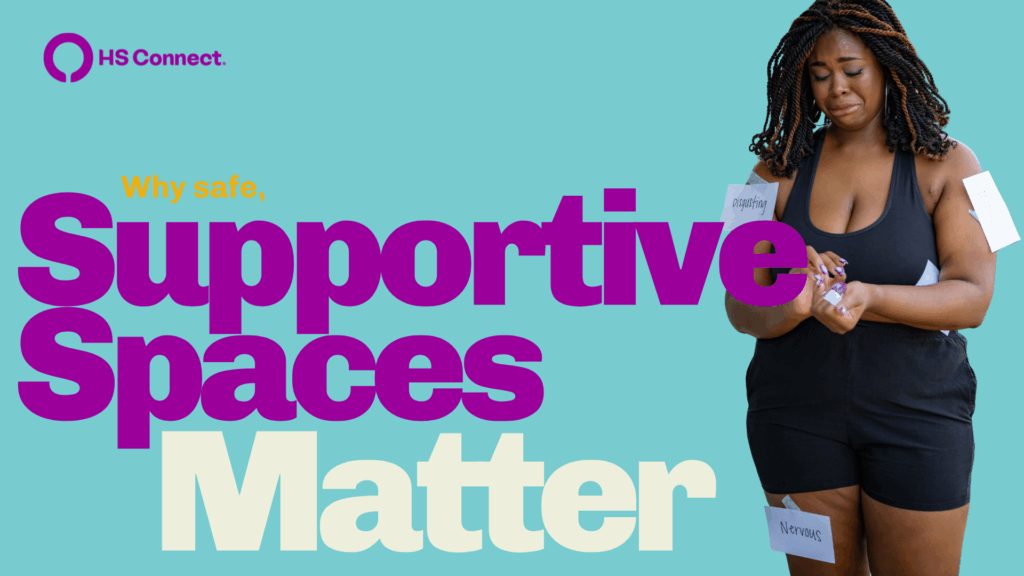
Why Safe, Supportive Spaces Matter
When vulnerability is high, knowing there is one place where you will be believed, supported, and treated with kindness can make all the difference. Here’s how safe spaces help:
- Validation. Just being heard — acknowledging that your pain is real, that your struggle matters — is deeply healing.
- Shared experience. Connecting with others who have HS (and possibly also understand domestic violence) makes you less alone. These shared stories help dismantle shame.
- Empowerment. Safe spaces allow you to learn language, resources, boundaries, and choices. You regain some control over your body, your care, and your healing journey.
- Access to resources & coping tools. Whether it’s mental health support or practical advice for symptom management, safe spaces help you find what helps in your unique situation.
Healing Space & Support Groups: How HS Connect Helps
At HS Connect, we believe healing is not only medical — it’s emotional, social, and communal. That’s why we offer:
- Healing Space. A mental health initiative dedicated to emotional well-being for people with HS. It is designed to provide support, self-care practices, and safe conversation for those carrying multiple burdens — stigma, pain, and isolation.
- Support Groups. We host peer-led support groups for people with HS, including subgroups that address intersectional identities and overlapping vulnerabilities. These groups are judgment-free zones where sharing, learning, and mutual care happen.
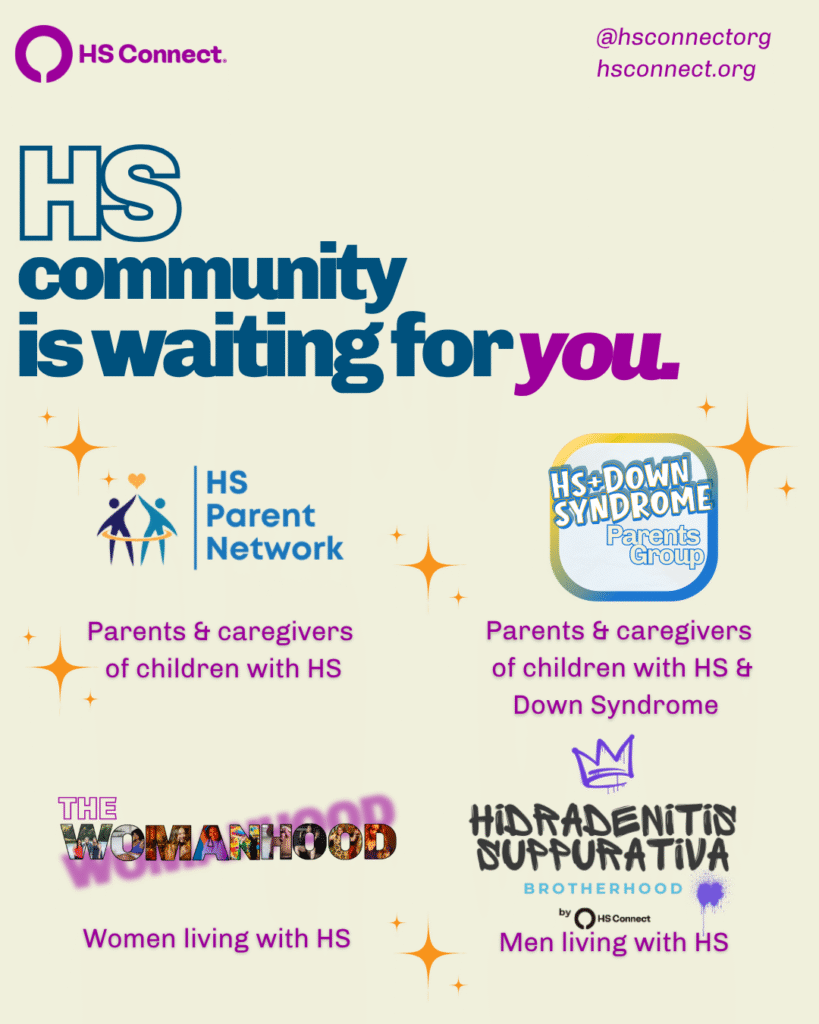
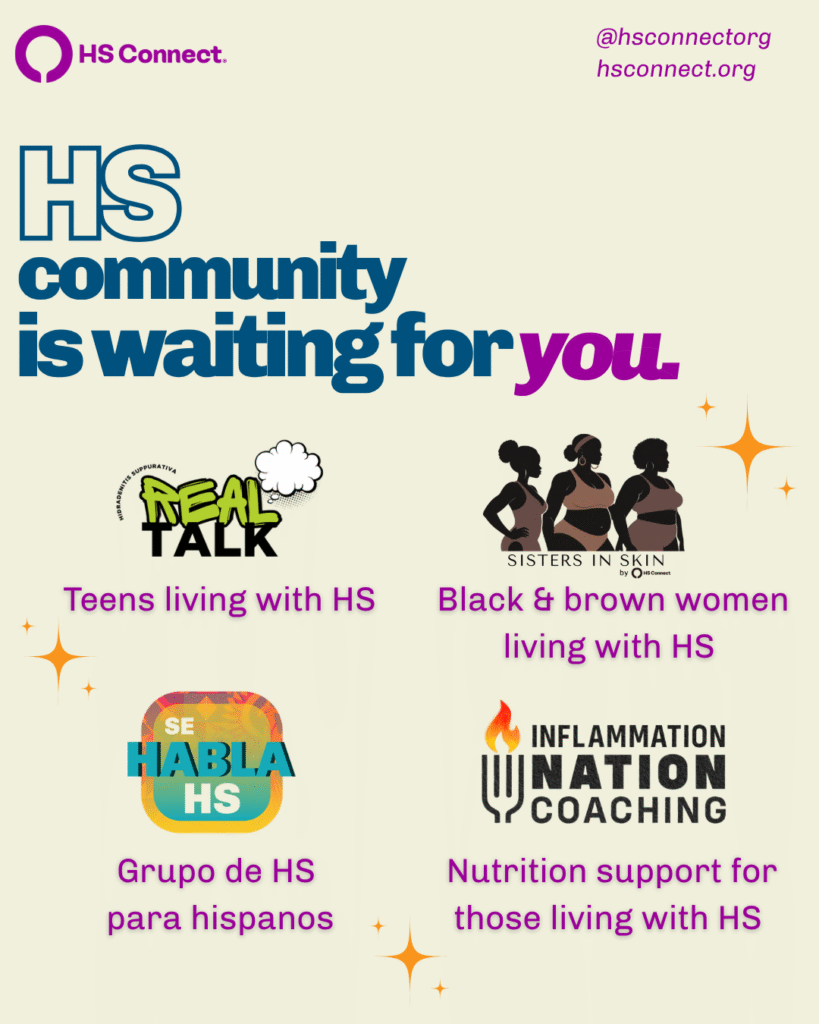
Together, Healing Space + Support Groups can offer:
- A confidential place to discuss HS symptoms and how they intersect with experiences of abuse or trauma.
- Guidance on self-advocacy (especially in medical or legal settings).
- Strategies for coping: crisis resources, self-care tools, mindfulness, sometimes referrals for counseling.
What You Can Do Now (If You’re Feeling Vulnerable)
If domestic violence, HS-related stigma, or both are part of your life right now, here are immediate steps to care for yourself and find support:
- Contact domestic violence resources.
- Domestic Violence Hotline: 1−800−799−SAFE (7233) — in U.S.
- Local shelter/hotline
- National Coalition Against Domestic Violence: ncadv.org
- Domestic Violence Hotline: 1−800−799−SAFE (7233) — in U.S.
- Reach out to trusted people. Whether a friend, counselor, or peer support, sharing what you’re going through can ease the burden.
- Talk to your healthcare provider. Tell them about all the factors affecting your health — HS, trauma, living situation. Trauma-informed providers can work with you better if they understand the context.
- Engage with HS Connect’s Healing Space or Support Groups. See where others have found comfort, strength, and clarity.
- Take care of your mind and body. Mindfulness, gentle movement, journaling, safe rest, skin care routines that feel comforting — even small rituals can build up resilience.
Resources & References
Here are reliable resources and research to explore further:
- National Domestic Violence Hotline – thehotline.org
- National Coalition Against Domestic Violence – ncadv.org
- RANZCP Clinical Practice Guidelines: Mood Disorders (for comorbid depression/anxiety)
- Research article: Matusiak, Ł., Reich, A., Bieniek, A., Szepietowski, J. C. “Quality of Life in Patients with Hidradenitis Suppurativa: A Cross-Sectional Study” Health and Quality of Life Outcomes (2010).
- Research article: Kurek A, Heightman A, Hazen P, Brown J. “Hidradenitis Suppurativa: The psychosocial burden” Dermatologic Therapy (2020).
- Research article: Alavi A, etc. “Role of Psychological Stress in the Pathogenesis of HS” Journal of the European Academy of Dermatology and Venereology (2015).
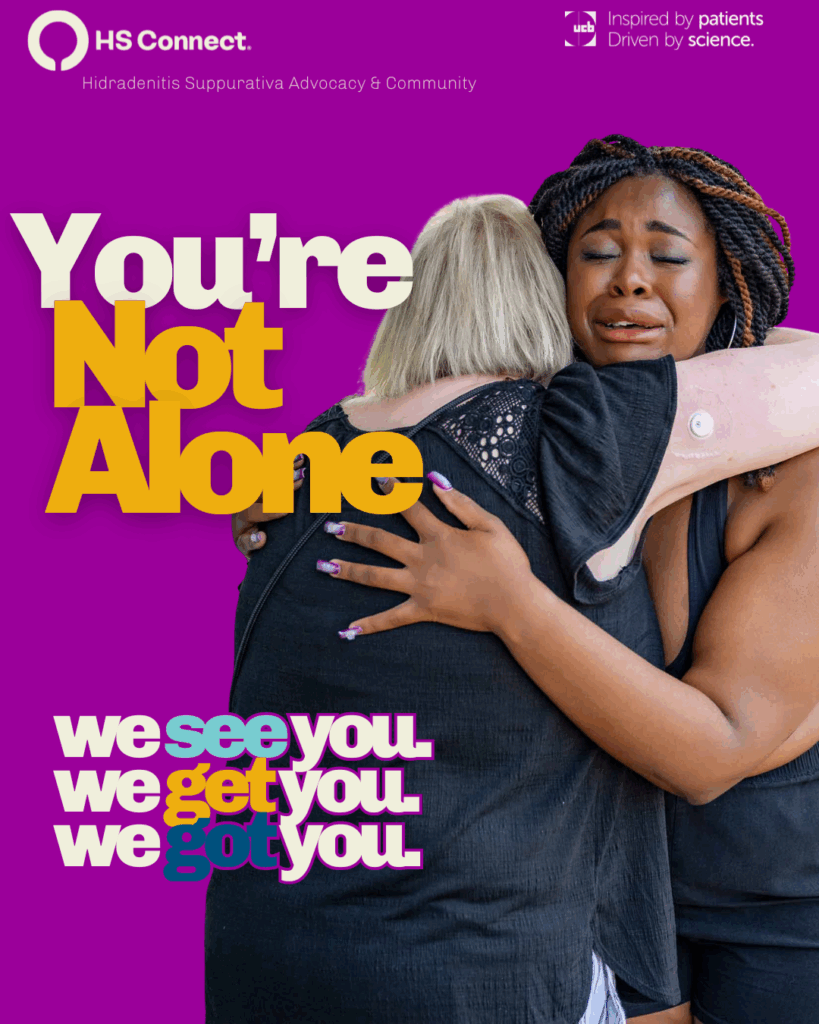
Domestic violence, trauma, and HS are each heavy burdens — together they can feel crushing. But healing is possible. When we name the overlap, when safe, supportive spaces are available, when we’re not alone, the cracks of shame can heal.
This Mental Health Awareness Month, HS Connect reaffirms: your experiences are valid, your body is worthy of care, and healing is not something you have to do in secret.
If you’re ready, Healing Space and our Support Groups are here — to listen, to understand, and to walk beside you.
Medical Disclaimer
The information provided by HS Connect (“we,” “us,” or “our”) on this website HSConnect.org] (the “Website”) is for general informational purposes only. All content, including text, graphics, images, and information, is presented as an educational resource and is not intended as a substitute for professional medical advice, diagnosis, or treatment.
Please consult with a qualified healthcare provider before making any decisions or taking any action based on the information you find on this Website. Do not disregard, avoid, or delay obtaining medical or health-related advice from your healthcare provider because of something you have read on this Website.
This Website does not recommend or endorse any specific tests, physicians, products, procedures, opinions, or other information that may be mentioned on this website. Reliance on any information provided on the Website, its content creators, or others appearing on the website is solely at your own risk.
If you think you may have a medical emergency, call your doctor, go to the nearest emergency department, or call emergency services immediately. We are not responsible for any adverse effects resulting from your use of or reliance on any information or content on this Website.
By using this Website, you acknowledge and agree to this disclaimer in full.